
 So cal multifamily broker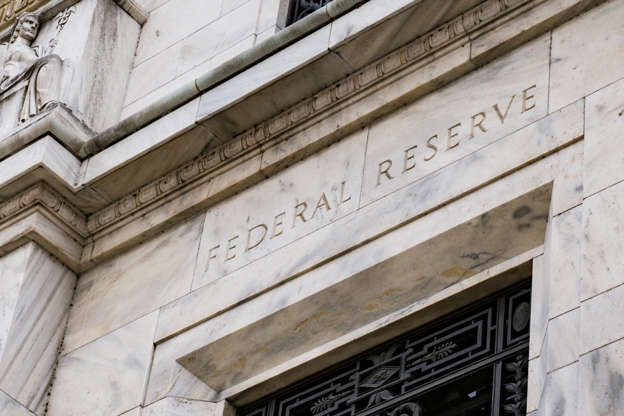
For the US Federal Reserve, 2022 is looking like a classic case of damned if you do, damned if you don't.
Inflation spiked to 6.8% in November, or the fastest pace in 40 years. But any rise in interest rates — the typical Fed move to dampen surging prices — represents a material threat to certain pockets of the economy.
That’s because corporate debt has swelled by $1.3 trillion since early 2020, creating an inverse risk if borrowing costs rise.
Pick Your Poison
Federal Reserve Chair Jerome Powell said the central bank plans to discuss speeding up its reduction of asset purchases, which could end months earlier than the initial target of mid-2022. That would give the Fed the scope to raise rates earlier if inflation doesn’t cool down.
The problem is — with all the new debt that companies took on in the last two years — higher rates and wider borrowing spreads could stifle access to credit. That could push more firms into financial trouble, even bankruptcy, and underlying data shows it’s a legitimate concern:
• Investment-grade bond duration, the measure Wall Street uses to track sensitivity to interest rates, is near record highs. At the same time, five-year refinancing requirements are also at record highs of $2.5 trillion, according to Moody’s.
• S&P Global analysts estimate about 500 companies will try to tap markets for refinancing next year — and higher interest rates would (obviously) unwind an easy-money trend that has propelled corporate profits higher.
“The economy is more vulnerable than it has ever been before to rising interest rates,” Torsten Slok, Apollo Global’s chief economist, told Bloomberg. “How much can the Fed raise rates? And the answer is, they can actually not raise rates that much.”
Zombie Outbreak: Then there’s the risk for zombie firms, nicknamed because they don’t have enough cash flow to service their debt payments. At the height of the pandemic there were 772 publicly traded zombies on the Russell 3000, according to Bloomberg data.
That has come down a bit to 621, but it’s still a huge number of vulnerable firms that might not survive a higher rate world.
<< Back